
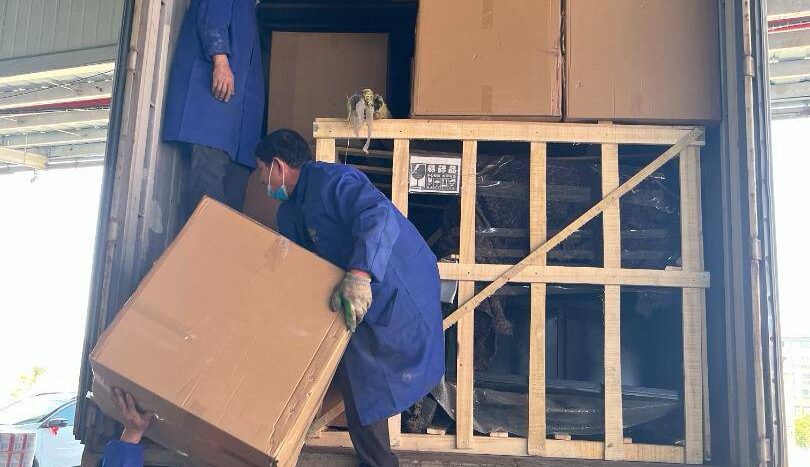
Import and export activities are the backbone of international trade, yet many businesses experience unnecessary delays and costs due to poor logistics coordination. In Nigeria, successful import and export operations depend on accurate documentation, regulatory compliance, and effective port handling.
Delays often occur when documentation is incomplete or misaligned with regulatory requirements. Even small errors can result in extended cargo dwell time at ports, leading to additional charges and operational disruptions. A structured approach to import and export logistics helps eliminate these issues before cargo arrives.
Cost efficiency is another major concern. Poorly planned logistics can lead to demurrage, storage fees, and vessel delays. These costs add up quickly, reducing profit margins. Efficient logistics planning ensures that cargo moves through ports promptly, minimising unnecessary expenses.
Transparency throughout the logistics process is equally important. Businesses need visibility into where their cargo is, what stage it is at, and when it will be delivered. Clear communication and structured processes provide clients with confidence and control over their supply chain.
With deep experience in Nigerian ports and offshore operations, Sea Haven Global supports importers and exporters by removing uncertainty from the process. The focus is on speed, compliance, and cost efficiency, allowing businesses to trade confidently within and beyond Nigeria.