
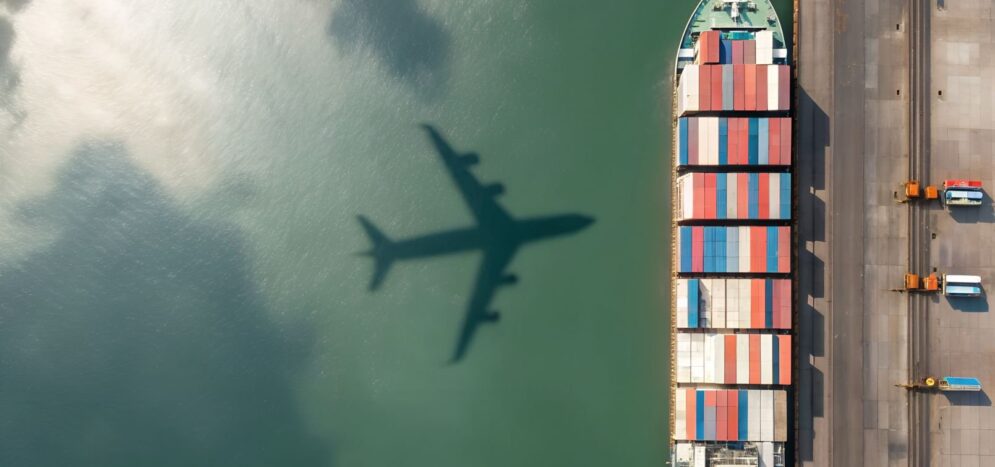
Nigeria’s maritime sector plays a critical role in regional and international trade, yet navigating its ports and offshore environments can be complex without the right expertise. From regulatory requirements to port congestion and offshore coordination, businesses often face delays and unexpected costs when logistics are not properly managed. Understanding how the system works is essential for smooth and profitable operations.
Maritime logistics in Nigeria requires more than moving cargo from one point to another. It involves compliance with port authorities, customs regulations, offshore safety standards, and real-time coordination across multiple stakeholders. Without experienced local knowledge, even well-planned shipments can face disruptions that impact project timelines and budgets.
One of the most common challenges businesses face is uncertainty. Delays caused by documentation errors, unclear procedures, or miscommunication at ports can significantly affect operations. These challenges are amplified in offshore environments where timing, safety, and precision are critical. Effective maritime logistics removes these uncertainties by ensuring that processes are well-coordinated and compliant from the outset.
Experience is a key differentiator in this sector. With over 16 years of hands-on involvement in Nigeria’s ports and offshore operations, Sea Haven Global supports both local and international businesses by providing practical solutions that reduce risk and improve efficiency. The goal is not just movement of cargo, but certainty, transparency, and control at every stage.
For companies operating in or entering the Nigerian market, partnering with a logistics provider that understands the terrain is essential. The right support transforms maritime logistics from a source of stress into a strategic advantage.